
Why spinal health is the foundation of whole-body wellness
At WellSpine KC, we often talk about the body as an integrated system—not a collection of separate parts. One of the most important relationships in that system is the connection between your spine and your nervous system. Understanding this connection helps explain why spinal health plays such a powerful role in how you feel, move, and function every day.
Your Spine: More Than Just Structure
Most people think of the spine as a structural support system—something that keeps you upright and allows you to bend and twist. While that’s true, it’s only part of the story.
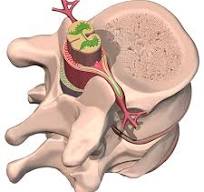
Your spine also serves as the protective housing for your spinal cord, which is a critical part of your central nervous system. This system acts as the body’s command center, constantly sending and receiving messages between your brain and the rest of your body.
Your Nervous System: The Body’s Communication Network
Your nervous system controls and coordinates virtually everything you do, including:
- Movement and coordination
- Organ function
- Pain perception
- Healing and recovery
- Energy levels and stress response
Every signal your body sends—whether it’s telling a muscle to contract or regulating your digestion—travels through the spinal cord and the nerves branching out from it.
Where the Connection Matters
Because the spinal cord runs through the spine, the alignment and health of your spine directly affect how well your nervous system functions.
When the spine is moving well and properly aligned:
- Nerve signals travel efficiently
- Muscles respond appropriately
- The body maintains balance and coordination
But when there is dysfunction—such as restricted movement, misalignment, or excessive stress on certain areas—it can interfere with how those signals are transmitted.
This doesn’t just affect your back or neck. It can influence how your entire body performs.
Common Signs of Disruption
When spinal function is compromised, people may experience:
- Persistent tightness or stiffness
- Headaches or neck pain
- Reduced mobility
- Muscle imbalances
- General fatigue or decreased performance
Sometimes these issues develop gradually, making them easy to overlook until they begin to affect daily life.
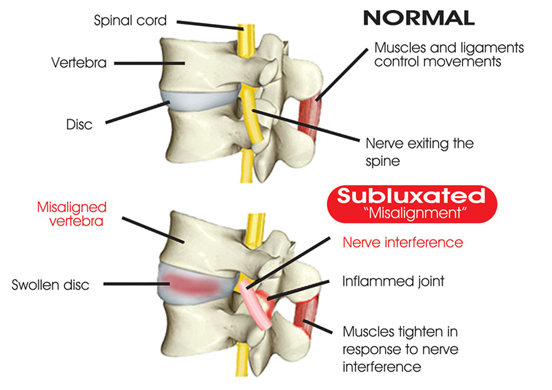
Why This Matters for Long-Term Health
Your body is constantly adapting to the demands you place on it—whether that’s sitting at a desk, training in the gym, or managing daily stress. Over time, these demands can create patterns that affect spinal movement and, in turn, nervous system efficiency.
At WellSpine KC, our approach focuses on restoring and maintaining proper spinal function so your nervous system can do its job without unnecessary interference. When that connection is working well, the body is better equipped to:
- Move efficiently
- Recover more effectively
- Adapt to stress
- Maintain overall wellness
Is your spine a special case? Decompression could be a great addition to existing chiropractic care!
A Proactive Approach to Care
Spinal health isn’t just about addressing pain after it shows up—it’s about supporting your body before problems develop.
Through focused, individualized care, we help patients improve spinal mobility, reduce unnecessary stress on the nervous system, and build a stronger foundation for long-term health.
Your spine isn’t just about posture—it’s about performance, resilience, and how well your body communicates within itself.
If you’re curious about how your spinal health may be impacting the way you feel or function, the team at WellSpine KC is here to help you understand your body and take the next step toward better movement and overall wellness.
